The Central Report

Lawmakers Push for Centralised Regulation to Fix Nigeria’s Housing Sector

Lawmakers Push for Centralised Regulation to Fix Nigeria’s Housing Sector
Nov. 3, 2026 | 1:42 pm GMT
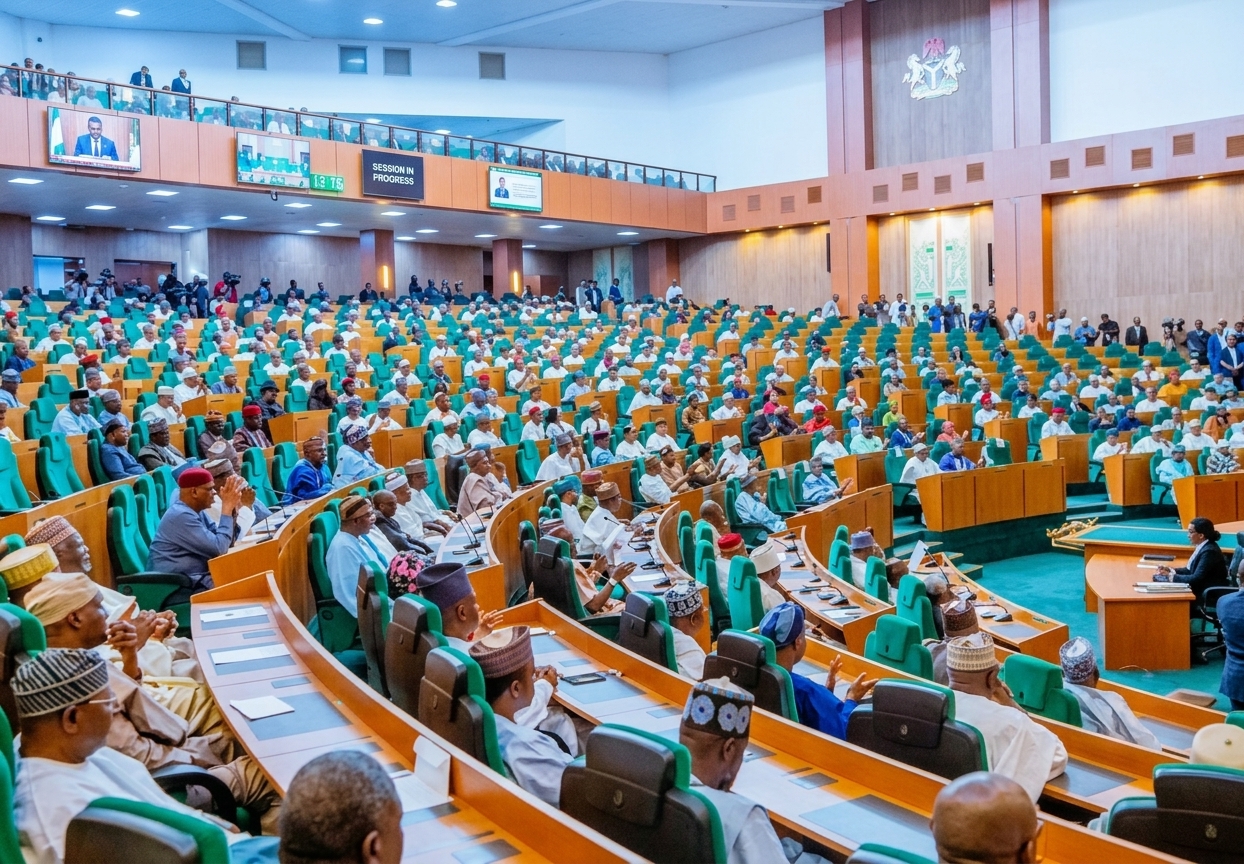
Nigeria’s House of Representatives is moving to establish a centralised regulatory framework to tackle pervasive property fraud, eliminate jurisdictional overlap, and restore investor confidence in the country’s multi-billion-dollar real estate market.
Speaking in Abuja, Speaker of the House of Representatives Tajudeen Abbas and the Chairman of the House Committee on Housing and Habitat, Abdulmumini Jibrin, argued that Nigeria suffers less from a shortage of physical property than a deficit of trust.
“Nigeria does not lack property. Nigeria lacks enough trust in property,” Abbas said in an address titled Building a Trusted and Investable Nigerian Real Estate Market.
“A buyer cannot always confirm who owns the land. A developer may spend years seeking approvals from offices that do not share information,” Abbas added.

Bridging Institutional Gaps

The legislative push centers on creating the National Real Estate Regulatory Authority (NRERA), a body designed to streamline administration, protect off-plan buyers, and maintain a verifiable register of accredited developers, agents, and active projects.
Lawmakers stressed that the proposed authority will not strip state governments of their constitutional land powers or usurp the mandates of existing professional bodies. Instead, proponents argue it will bridge a critical coordination gap between fragmented institutions.

“We have a wonderful Minister of Housing. But as the Minister of Housing of the Federal Republic of Nigeria, he does not have jurisdiction over all the agencies and institutions that have to do with housing,” Jibrin told reporters in Abuja.
“There is a link; there is a gap. So, there is duplication of functions,” Jibrin said. He maintained that the new framework aims to cooperate with state authorities rather than compete.

Protecting Capital and Consumers

Weak property verification systems have long exposed the Nigerian property market to financial crimes, including money laundering and systemic fraud. Unregulated actors routinely exploit loopholes, leaving ordinary citizens vulnerable to double-selling and abandoned developments.
Speaker Abbas noted that these administrative failures inflate housing costs and deter institutional lenders.
“A bank may reject a sound project because the title is difficult to verify,” Abbas said. “A title that cannot be verified cannot fully support credit. A market that cannot verify ownership cannot attract capital at scale.“
The legislative package forms part of a broader economic reform agenda by the National Assembly to modernize asset management and attract foreign and domestic investment into the real estate sector. Stakeholders expect the bill to advance through committee readings in the coming weeks.

Real estate and infrastructure correspondent covering property markets, urban development, and major infrastructure projects. 7 years in real estate journalism. Tracks government contracts, development corridors, and housing affordability issues.

Comments0

Sign in to join the conversation

Share your perspectives and engage with other readers.

Loading discussion...

YOUR NEXT READ

MORE FROM BUSINESS

RECOMMENDED FOR YOU