The Central Report

Urban Nigerians Grow Food in Sacks and Buckets to Beat Inflation

Urban Nigerians Grow Food in Sacks and Buckets to Beat Inflation
Nov. 3, 2026 | 8:36 am GMT
Persistent price hikes for basic staples are forcing urban families to bypass traditional neighborhood markets. Residents in Lagos, Ibadan, and other urban centers are cultivating peppers, tomatoes, and leafy greens in confined spaces where traditional soil is unavailable.
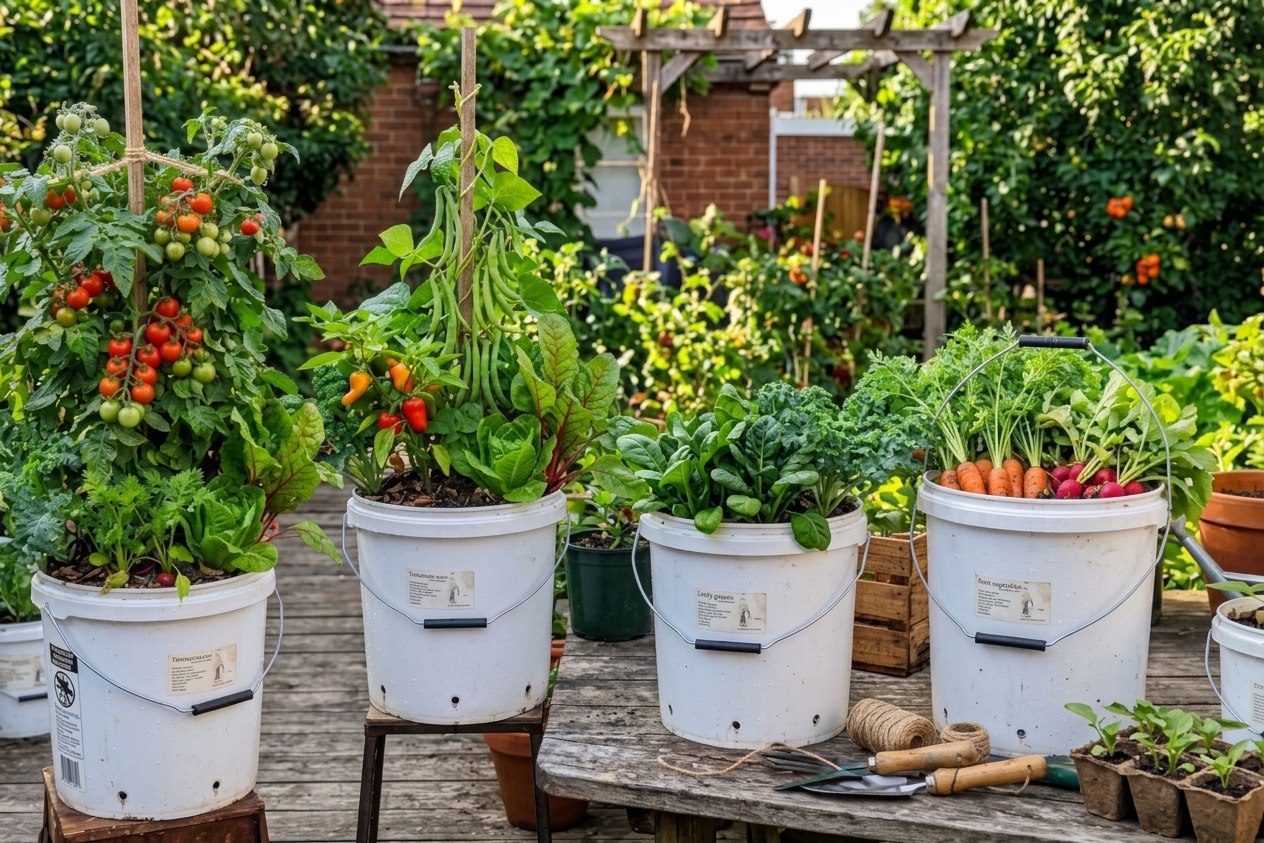
The makeshift gardens rely on simple container methods. Gardeners pack sacks and plastic buckets with nutrient-rich topsoil, positioning them along fences, rooftops, and stairwells to maximize exposure to sunlight.
“We cannot keep depending entirely on market purchases when prices shift every week,” said Abiodun Adeleke, a Lagos-based accountant who converted his apartment balcony into a vegetable patch. “Growing a few peppers and scent leaves at home cuts our immediate grocery bills.”

The grassroots shift highlights a broader coping strategy as households struggle with household expenses. While small-scale urban agriculture cannot replace commercial farming or solve structural supply chain disruptions, it offers immediate relief for families seeking food self-sufficiency.
Agricultural extension workers note that container farming requires minimal startup capital, making it accessible for low-income earners. Simple watering techniques and kitchen waste composting help keep maintenance costs low.
For millions of Nigerians navigating ongoing economic volatility, these micro-gardens provide a practical way to reclaim control over daily nutrition.

Agricultural economics reporter based in Abuja with focus on agribusiness, rural development, and food security. 6 years covering farming policy, commodity markets, and agricultural technology.

Comments0

Sign in to join the conversation

Share your perspectives and engage with other readers.

Loading discussion...

YOUR NEXT READ

MORE FROM BUSINESS

RECOMMENDED FOR YOU