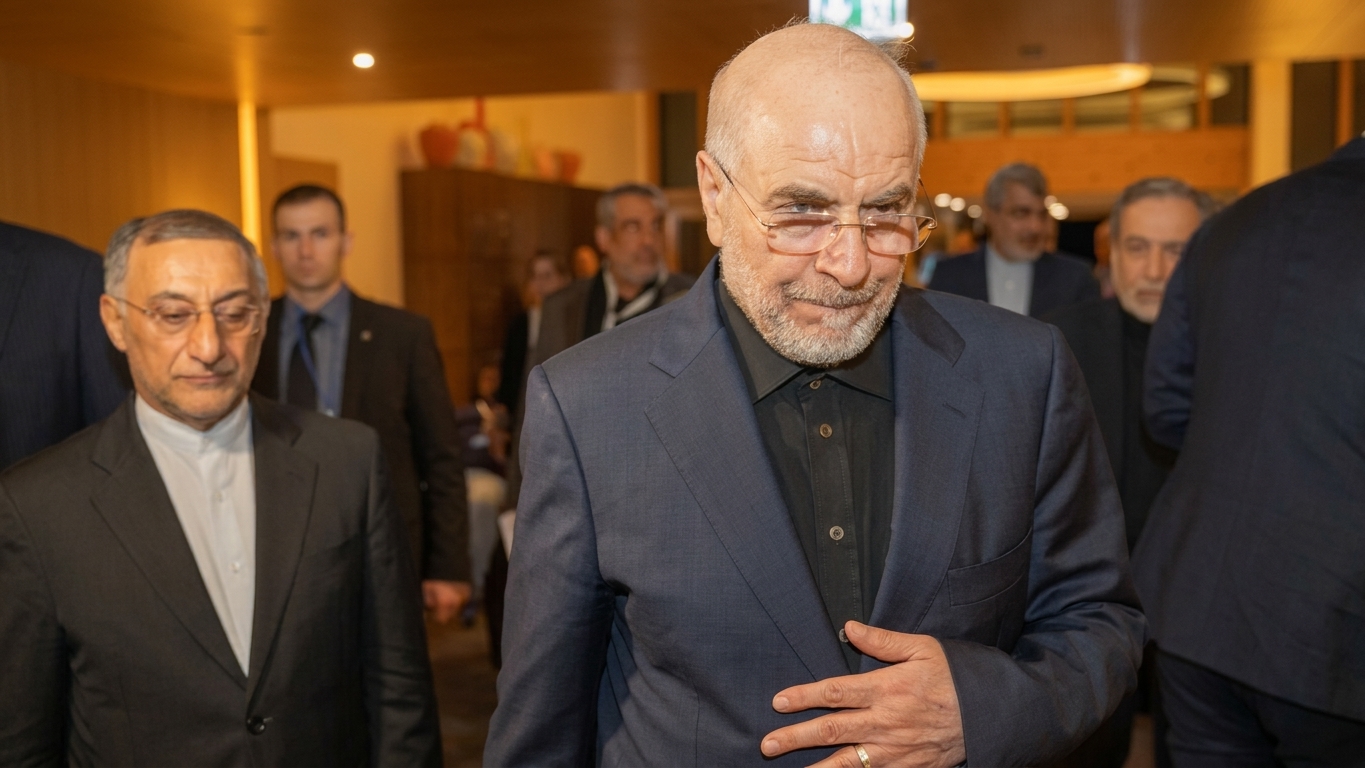
Iran’s chief negotiator seized on the results of the United States midterm elections on Wednesday, declaring that American voters delivered a definitive rejection of military conflict.
The comments from Parliament Speaker Mohammad Bagher Ghalibaf arrived hours after President Donald Trump’s Republican Party suffered major defeats, losing control of both chambers of Congress. Democrats capitalized on widespread public anxiety over soaring inflation, climbing energy prices, and the ongoing military confrontation with Iran that began in February.
“Whether out of conscience or the cost of living, Americans said NO TO WAR, and we endorse this message,” Ghalibaf wrote on social media.
He offered a stark warning to Washington. Ghalibaf stated that if the US government ignores the public will to satisfy international actors, it would learn that Iran’s response “comes with a Nightmare”.
The Domestic and Geopolitical Fallout
President Trump acknowledged on Tuesday that the backlash over the conflict and resulting fuel price hikes contributed significantly to Republican congressional losses. Yet, the White House maintained its defiant posture regarding the military campaign, with Trump insisting he felt no regret over the joint U.S.-Israeli strikes launched earlier this year.
The high-stakes political shift in Washington intersects with intensifying volatility in the Middle East. Earlier this week, Iran’s Islamic Revolutionary Guard Corps (IRGC) reported that four commercial oil tankers were destroyed by naval mines while trying to navigate prohibited routes in the Strait of Hormuz.
The vital maritime corridor remains heavily contested and largely restricted, continuing to exert upward pressure on global energy markets. While Tehran insists the vessels violated security measures, international shipping monitors and British naval authorities continue to track a sharp spike in regional incidents.
Hardline Posture in Tehran
Despite the domestic political earthquake in the U.S., Iran’s ruling establishment signalled that substantive policy shifts remain unlikely.
Mojtaba Khamenei released a statement emphasizing that expectations of softened hostility from Washington are “gravely mistaken”. The stance underscores that while Tehran is weaponizing the U.S. election outcome for diplomatic leverage, military readiness in the Gulf remains unyielding.
As the newly empowered Democratic majority prepares to take over Capitol Hill, the intersection of domestic economic exhaustion and intractable foreign entanglements presents an immediate test for the White House. Whether the shift in congressional power forces a recalibration of U.S. strategy in the Persian Gulf remains the central question for international diplomats.






Comments0
Sign in to join the conversation
Share your perspectives and engage with other readers.