

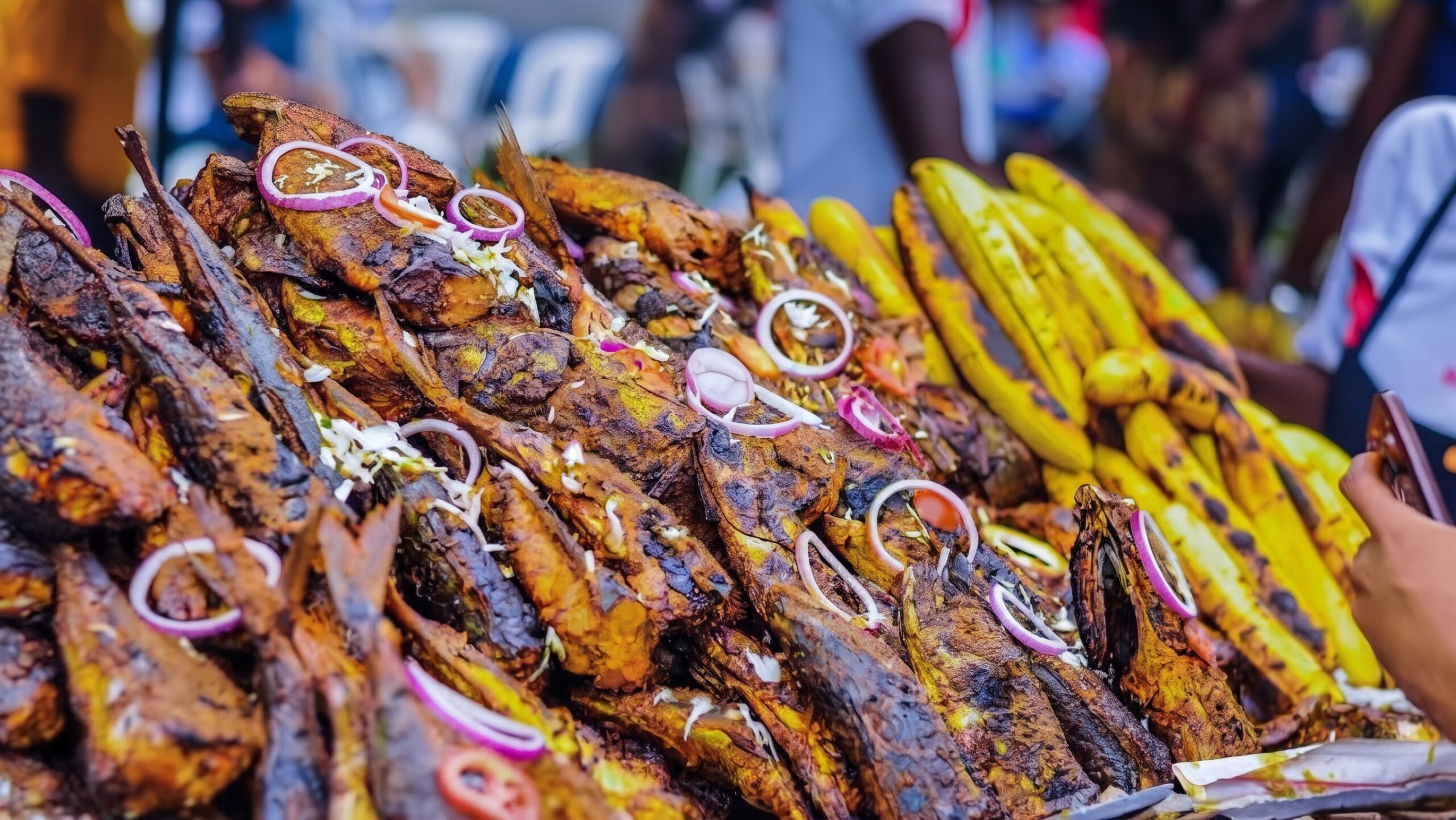
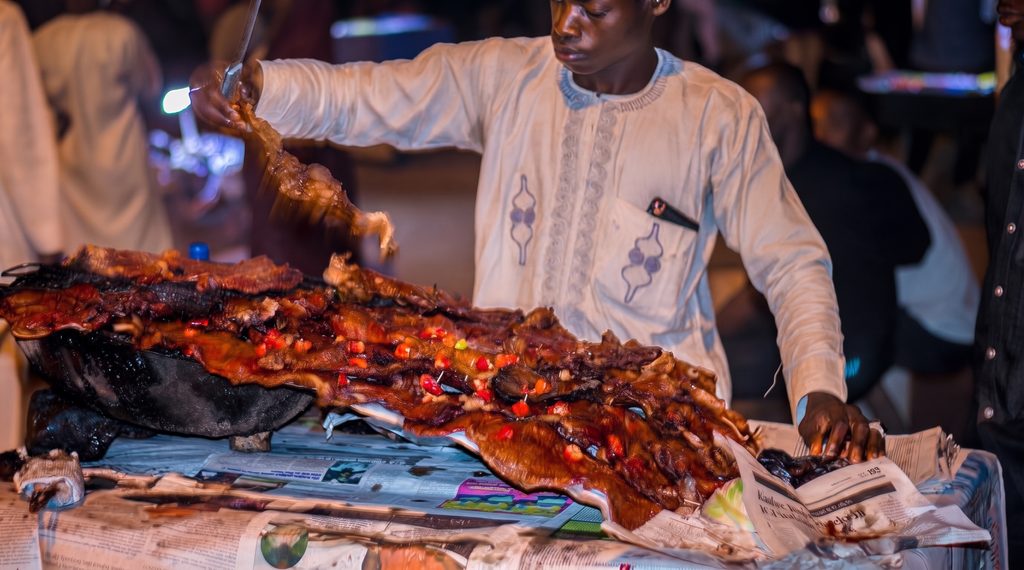
Smoke billows across Lagos street corners every evening where open-air grills hiss with roasting skewered beef. The scent of ground peanuts, chili flakes, and sizzling fat cuts through the exhaust fumes.
Nigerian street food has long been defined by this raw, unpretentious energy. Roadside vendors powered the culinary culture of West Africa through accessible meals cooked over glowing charcoal and open flames.
Today, that landscape is shifting. Traditional roadside staples are moving beyond neighborhood stalls into high-end restaurants, upscale bakeries, and international pop-up dinners. Chefs and culinary entrepreneurs are taking time-honored recipes and applying modern kitchen science, sophisticated plating, and premium ingredients without losing their cultural soul.
The Chemistry of Authentic Yaji in Roadside Suya
At the heart of traditional Nigerian suya sits yaji, a complex spice blend that transforms simple beef cuts into a savory experience. Making authentic yaji is less about following a rigid recipe and more about understanding spice chemistry.
The foundation relies on ground roasted peanuts, or groundnuts, which provide a rich lipid base. Processors press the peanut paste to extract excess oil before grinding the solid cake into a dry powder.
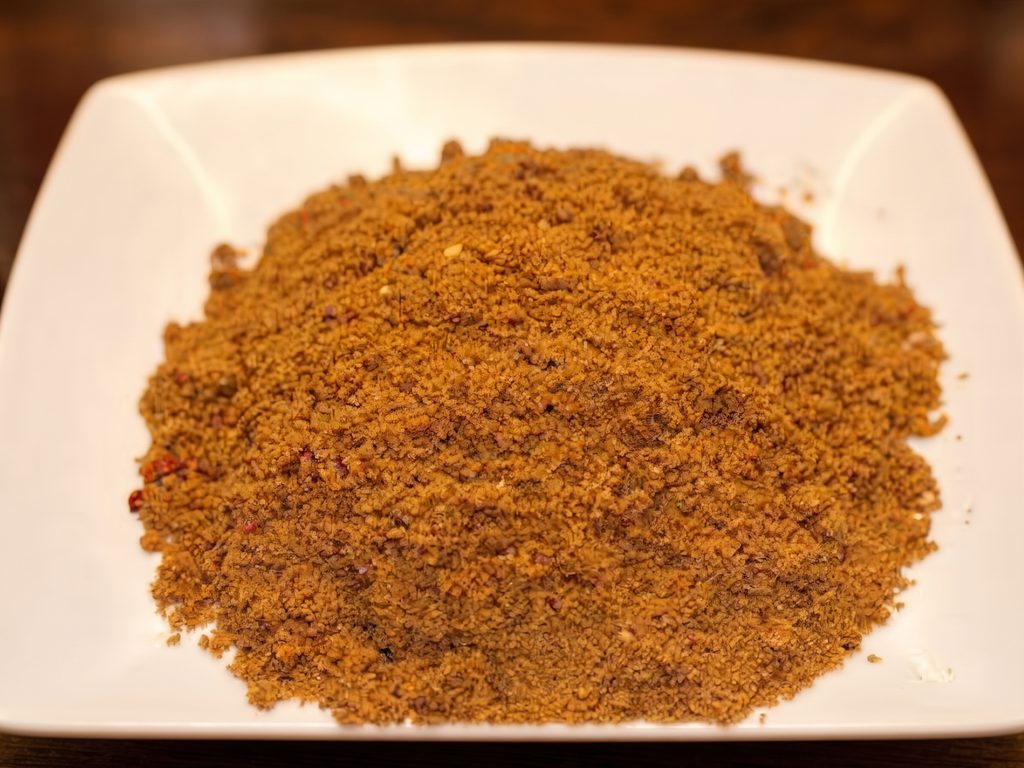
Master suya makers mix this base with a precise ratio of chili peppers, ginger, garlic powder, and salt. The secret weapon is usually stock cube seasonings packed with monosodium glutamate, which interacts with the natural proteins in beef to enhance umami flavors.
When dusted over thinly sliced beef and exposed to intense charcoal heat, the peanut oils toast rapidly. The proteins undergo the Maillard reaction, creating a smoky, nutty crust that seals in moisture.
Roadside vendors grill the meat over glowing embers fueled by hardwood or discarded car tires in past eras, though modern vendors prefer cleaner charcoal. The smoke infuses the meat with a distinct carbon char that chemical liquid smoke replicas fail to replicate.
The Gourmet Makeover: Puff-Puff and Boli Go Upscale
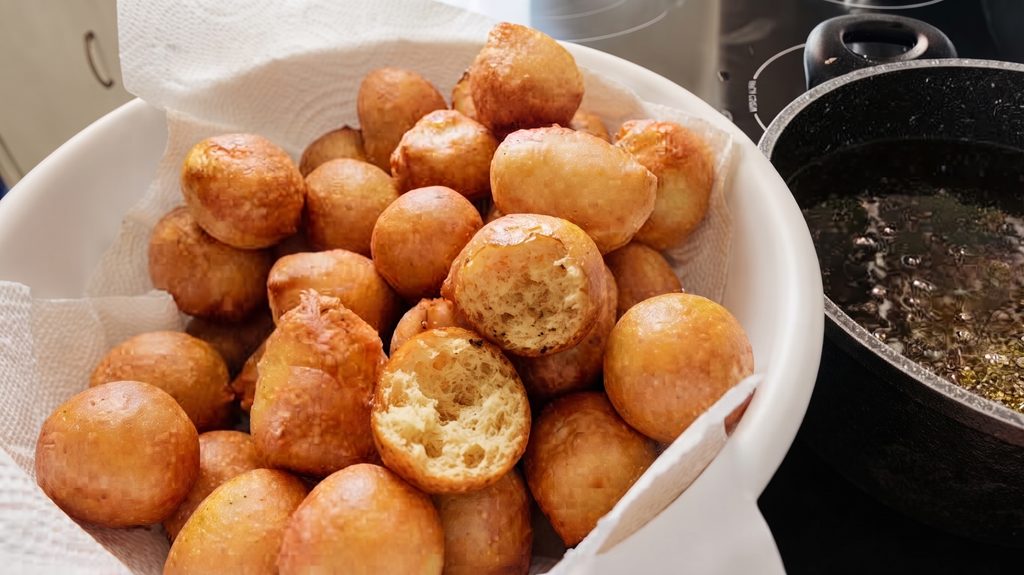
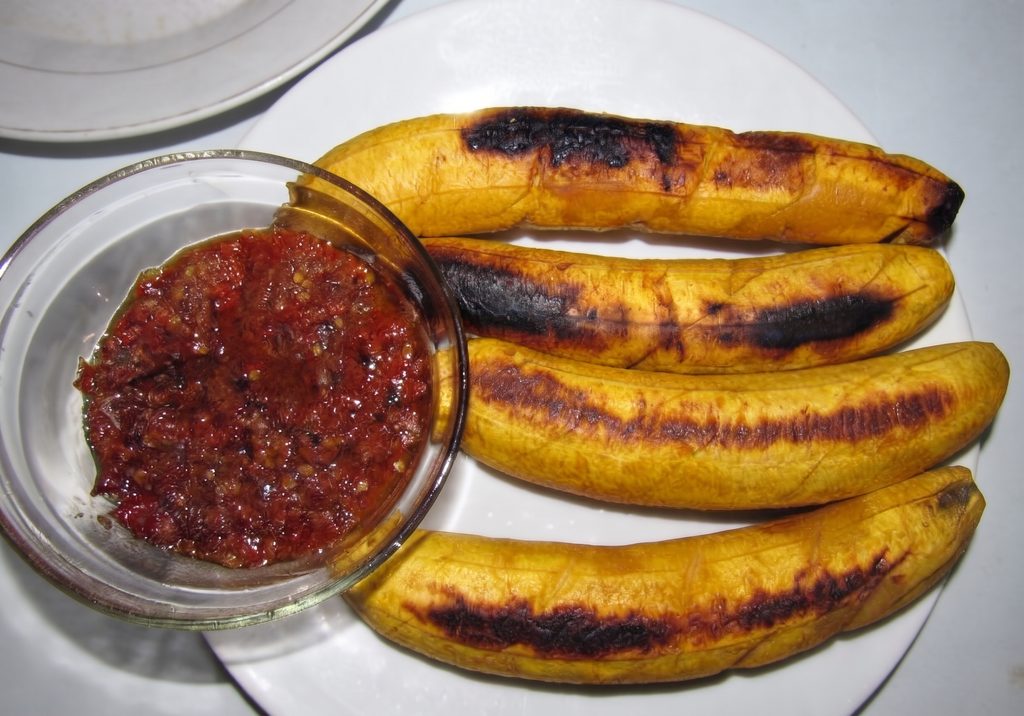
While suya anchors the savory side of Nigerian street food, sweet and starchy snacks are undergoing a parallel transformation. Puff-Puff and boli are receiving upscale makeovers in modern urban kitchens.











Comments0
Sign in to join the conversation
Share your perspectives and engage with other readers.